Culture Pays: Why Margaret Brown Treats Leadership as a Business System
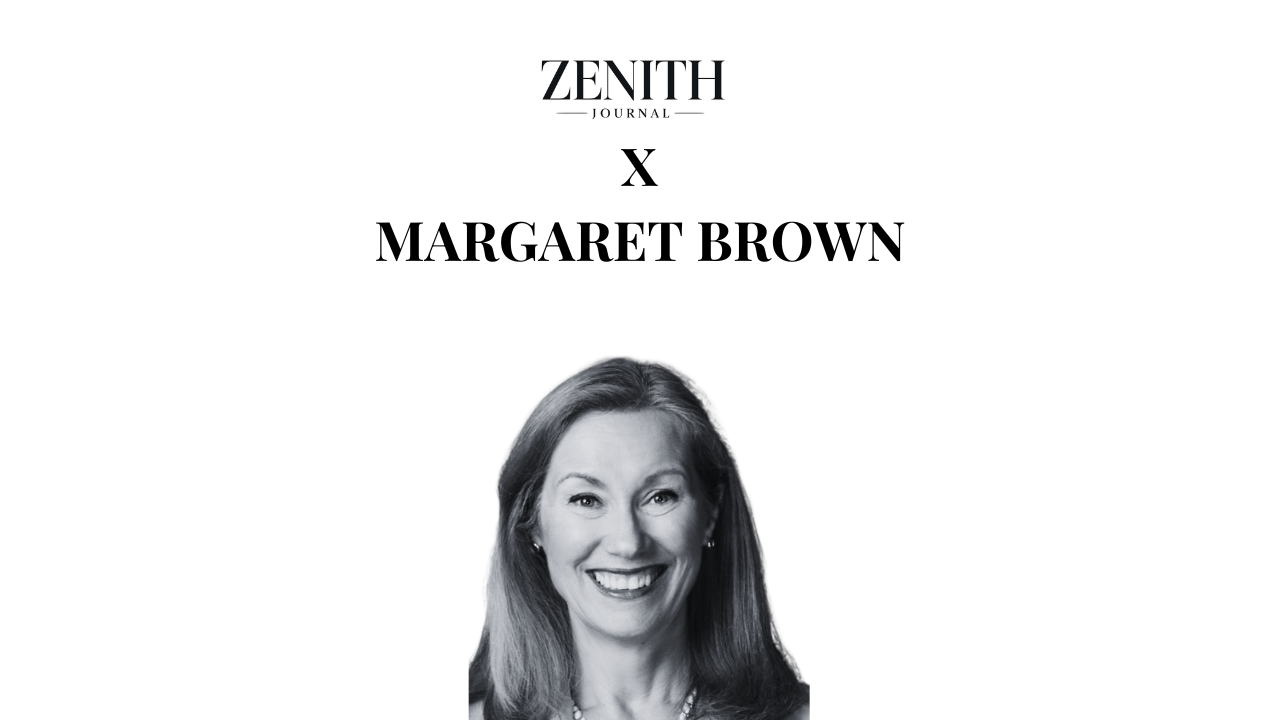
Margaret Brown is an award-winning certified executive coach, best-selling author, and leadership development specialist whose work sits at the intersection of transformational leadership, organisational development, employee engagement, and service excellence.
For nearly 35 years, she has worked across sectors and continents, helping organisations build stronger cultures, better teams, and more resilient leadership systems. Her practice is not built around leadership as a slogan. It is built around leadership as a measurable force that shapes retention, productivity, loyalty, and performance.
At the centre of her thinking is a simple but demanding idea: culture is not a soft concept. It is the operating system of an organisation. When leaders get that right, people stay longer, contribute more, and perform with greater clarity and confidence.
Leadership That Improves Working Lives
What drives Margaret most is the opportunity to make a positive difference to the working lives and wellbeing of people through transformational leadership. That focus is practical, not abstract. It is about helping leaders create environments where people feel trusted, supported, and able to do their best work without unnecessary friction.
Her book, Culture Pays, reflects this philosophy with directness. The core message is clear: when culture is built well, it delivers business value. Engagement rises. Retention improves. Teams become more aligned. The organisation becomes easier to lead because people understand the purpose behind the work.
“Culture is not an initiative. It is the system that determines whether strategy succeeds or fails.”
A Global Practice Built on Experience
Margaret’s experience is broad, but her approach is focused. She has worked extensively on every continent, primarily in the oil and gas sector and now increasingly in energy transition. Her work includes 360-degree executive feedback coaching, bespoke leadership development programmes, creative team workshops, large employee conferences, and one-to-one performance coaching at all levels.
That range matters because leadership challenges rarely arrive in neat categories. They show up in behaviours, blind spots, team dynamics, misalignment, and low trust. Margaret’s value lies in helping organisations see those problems clearly, then move toward practical solutions that fit the culture they are trying to build.
Her perspective is also shaped by a creative dimension. In 2021, she graduated from Gray’s School of Art in Aberdeen with a BA Honours in painting while continuing to serve key client relationships throughout her degree and the Covid period. That blend of analytical leadership work and artistic thinking gives her a distinctive way of helping clients see problems differently and unlock more original solutions.
“The best leadership work is collaborative before it is directive.”
The Challenge That Reframed Her Thinking
One of the most formative experiences in Margaret’s journey came from being on the receiving end of poor and toxic leadership when she was younger. The impact was not minor. It affected both productivity and mental health, making the consequences of leadership culture impossible to ignore.
Rather than normalising that experience, she treated it as evidence. It showed her that leadership is never neutral. It either creates the conditions for people to thrive or it drains the energy they need to perform. That insight has shaped her commitment to helping leaders become more self-aware, more intentional, and more effective in how they influence others.
In practical terms, this is where her work becomes measurable. The aim is not simply to improve morale. It is to create leadership habits that reduce friction, improve trust, and support better business outcomes over time.
Why Culture Pays in Real Business Terms
The title of her book is more than a brand line. It reflects a business reality. A strong culture improves retention, reduces avoidable turnover, and creates a more stable environment for performance. That is not a soft benefit. It is a strategic advantage.
In one of her proudest achievements, Margaret helped reduce employee turnover at a medium-sized oil and gas company from over 12 percent to less than 1 percent. That kind of result does not come from generic engagement language. It comes from sustained leadership work, careful listening, and an ability to align people around a better experience of work.
- Greater trust across teams
- Lower attrition and stronger retention
- More consistent employee engagement
- Improved organisational clarity
The deeper lesson is straightforward. When people feel understood and supported, they are more likely to commit. When leaders invest in culture with discipline, the organisation benefits in ways that are both human and financial.
Staying Ahead Through Listening
Margaret stays ahead by listening closely to the concerns of her clients, empathising with them, and working collaboratively to address current challenges. That approach is especially relevant in a period of constant change, where leadership cannot rely on outdated assumptions or fixed playbooks.
Her advice to younger professionals is equally grounded. She encourages them to invest in both personal and professional development, and to take care of their health with the same seriousness they bring to their careers. Good food, regular exercise, quality sleep, and time in nature are not optional extras. They are part of sustainable performance.
In a leadership landscape that often rewards speed over substance, Margaret Brown represents a different standard. She brings depth, discipline, and a clear understanding that people do their best work in cultures designed to support them.
Closing Perspective
The strongest organisations are rarely the ones with the loudest leadership language. They are the ones where people experience consistency, respect, and direction every day. Margaret Brown’s work is built around that principle.
Her message is simple, but it carries weight: leadership should not merely direct performance. It should create the conditions in which performance becomes sustainable. That is where culture pays.
Margaret Brown